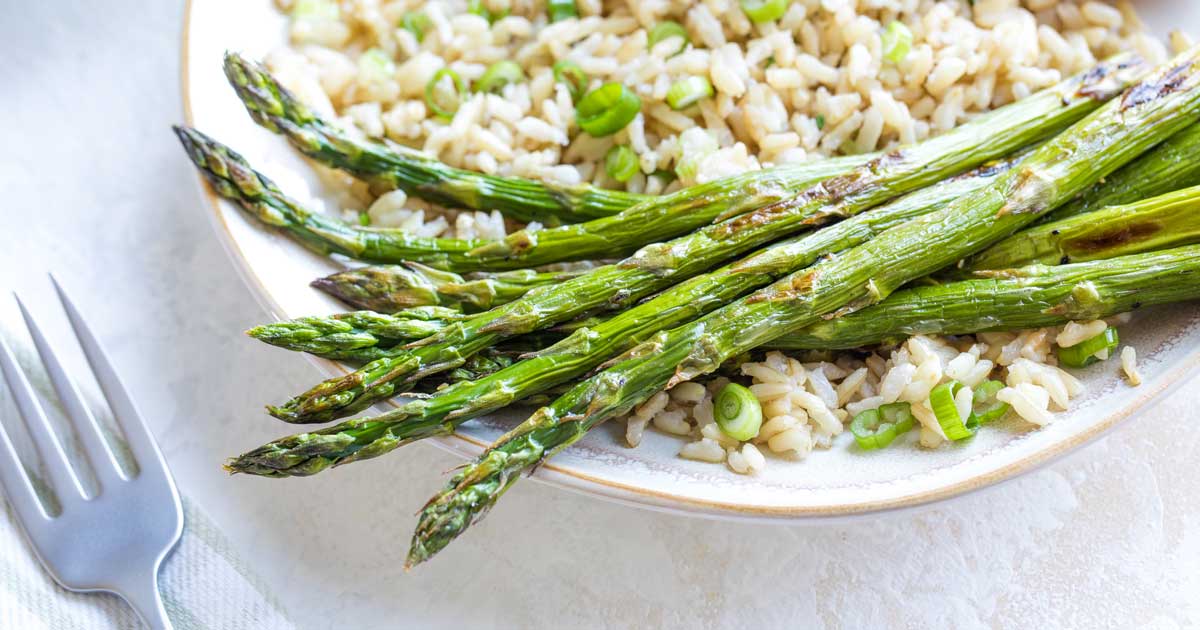
Quick & Easy Oven Asparagus: Simple Seasonings for Perfect Sides
Asparagus, with its vibrant green hue and distinct, subtly sweet flavor, is a true culinary chameleon, capable of elevating any meal. While there are many ways to prepare this delightful vegetable, cooking
asparagus in the oven stands out as one of the simplest, most effective methods to achieve perfectly tender-crisp stalks. Roasting unlocks a natural sweetness and a delicate caramelization that enhances its earthy notes, transforming a humble spear into an irresistible side dish. Whether you're whipping up a quick weeknight dinner or preparing an elegant spread for guests, oven-roasted asparagus promises minimal effort with maximum flavor.
This article will guide you through the journey of creating flawless asparagus in the oven, from selecting the best stalks to mastering various seasoning combinations and refining your roasting technique. We’ll delve into how different seasonings can highlight its unique taste and ensure you achieve that coveted tender-crisp texture every time. Prepare to discover your new go-to side dish!
The Wholesome Appeal: Why Oven-Roasted Asparagus is a Must-Try
Before we dive into the delicious preparation methods, let’s appreciate the bounty of benefits that asparagus brings to your plate. Beyond its appealing taste and versatile nature, asparagus is a nutritional powerhouse. It’s remarkably low in calories, making it an excellent choice for health-conscious eaters, yet packed with essential vitamins and minerals.
Consider its rich supply of Vitamin K, crucial for bone health and blood clotting, and Vitamin C, a powerful antioxidant that supports immune function. Asparagus is also an excellent source of folate, important for cell growth and DNA formation, and contains a good amount of Vitamin A, fiber, and potassium. Furthermore, its stalks are loaded with antioxidants, compounds that help protect your body's cells from damage caused by free radicals. This makes oven-roasted asparagus not just a tasty addition, but a truly beneficial one for overall wellness. To learn more about how this versatile vegetable can enhance your diet, check out our related article:
Elevate Your Meals: The Flavorful Benefits of Roasted Asparagus.
Cooking asparagus in the oven also brings out its unique flavor profile. The dry heat of roasting concentrates its natural sugars, leading to a slight caramelization on the outside, while keeping the interior tender and juicy. This method bypasses the sogginess that can sometimes result from boiling or steaming, delivering a superior texture that is both satisfying and incredibly palatable.
From Stalk to Plate: Selecting and Preparing Your Asparagus
The foundation of any great dish lies in its ingredients, and asparagus is no exception. Starting with high-quality spears is the first step toward achieving a perfect outcome when cooking asparagus in the oven.
Choosing the Best Asparagus
When selecting asparagus, look for stalks that are:
- Firm and Snappy: They should feel rigid and snap easily if bent, indicating freshness. Avoid any that feel rubbery or limp.
- Vibrantly Green: The color should be a bright, deep green from tip to end.
- Closed, Compact Tips: The tips are the most tender part. They should be tightly closed and not flowered or splayed open, which can indicate older or tougher asparagus.
- Avoid Blemishes: Steer clear of stalks with discolored spots, sliminess, or dry, woody ends.
Regarding thickness, while personal preference plays a role, thicker asparagus tends to be more uniformly tender after roasting compared to very thin spears, which can sometimes dry out quickly. However, all thicknesses can be delicious when roasted properly.
Preparing Asparagus for Roasting
Once you’ve brought your beautiful stalks home, a little preparation goes a long way:
- Rinse Thoroughly: Wash the asparagus under cool running water to remove any dirt or grit, especially around the tips.
- Trim the Woody Ends: This is a crucial step. The bottom 1-2 inches of an asparagus stalk are often tough and fibrous. You can trim these ends in one of two ways:
- The Snap Method: Hold a stalk at both ends and gently bend it until it naturally snaps. It will break precisely where the tender part meets the woody end. This method is intuitive but can be time-consuming for a large batch and might result in a bit more waste.
- The Knife Method: For efficiency, line up several stalks on a cutting board and slice off the bottom 1-2 inches with a sharp knife. To ensure you're only removing the tough part, snap one stalk first, then use it as a guide for trimming the rest.
- Optional Peeling: For exceptionally thick asparagus (like pencil-thick or thicker), some chefs prefer to use a vegetable peeler to remove a thin layer from the bottom half of the stalk. This can enhance tenderness, but for most medium-sized asparagus, it's generally not necessary.
- Leave Whole or Cut: You can roast the asparagus stalks whole for an elegant presentation, or cut them into smaller, bite-sized pieces if you prefer, which can also shorten cooking time slightly.
The Art of Seasoning: Simple Combinations for Perfect Flavor
Asparagus boasts a delicate, earthy flavor that makes it incredibly versatile. It pairs beautifully with both simple, classic seasonings and more adventurous flavor profiles. When preparing asparagus in the oven, the right seasonings can truly make it sing.
Classic and Always Delicious
The most straightforward approach often yields the best results, allowing the asparagus’s natural flavor to shine:
- Olive Oil and Sea Salt: This is the gold standard for a reason. Drizzling with good quality extra virgin olive oil before roasting helps achieve a beautiful crisp-tender texture and carries the flavor of the salt evenly. A generous sprinkle of flaky sea salt enhances the asparagus's inherent sweetness and provides a pleasant textural contrast.
- Freshly Ground Black Pepper: A classic companion to salt, black pepper adds a subtle, gentle heat that complements the green notes of the asparagus perfectly.
Elevate Your Flavor Game
Once you've mastered the basics, consider these delicious additions to personalize your roasted asparagus:
- Garlic Lover’s Delight: Toss the asparagus with minced fresh garlic before roasting. The garlic mellows and sweetens in the oven, infusing the stalks with an aromatic warmth. Garlic powder can also be used for a more uniform, less intense flavor.
- Parmesan Perfection: For a savory, cheesy kick, sprinkle grated Parmesan cheese over the asparagus during the last 5-7 minutes of roasting, or immediately after it comes out of the oven. The cheese will melt slightly, creating a delicious crust.
- Zesty Lemon Brightness: A squeeze of fresh lemon juice or a sprinkle of lemon zest added after roasting provides a burst of citrusy freshness and acidity that beautifully cuts through the richness of the oil and other seasonings.
- Sweet and Tangy Balsamic: Drizzle a touch of balsamic glaze (which is reduced balsamic vinegar) over the roasted asparagus. Its sweet and tangy notes offer a sophisticated counterpoint to the vegetable’s earthiness. You can buy pre-made glaze or reduce balsamic vinegar yourself on the stovetop.
- Herbal Infusions: Fresh or dried herbs can add wonderful complexity. Try finely chopped fresh thyme, rosemary, or dill. Dried herbs like oregano or herbes de Provence also work well. Toss them with the asparagus and oil before roasting.
- A Hint of Heat: For those who enjoy a little spice, a pinch of red pepper flakes adds a subtle warmth that awakens the palate.
Don't be afraid to mix and match! A combination of olive oil, garlic, lemon zest, and a sprinkle of Parmesan is a particularly popular and utterly delicious choice.
Mastering the Roasting Process: Achieving Perfectly Tender Asparagus Every Time
With your asparagus prepped and seasoned, it’s time for the magic to happen in the oven. This basic method for cooking asparagus in the oven is foolproof and yields consistently excellent results.
Basic Oven-Roasted Asparagus Recipe
Ingredients:
- 1 pound fresh asparagus, trimmed
- 2 tablespoons extra virgin olive oil
- ½ teaspoon sea salt, or to taste
- ¼ teaspoon freshly ground black pepper, or to taste
- (Optional) Additional seasonings like minced garlic, lemon zest, Parmesan, or herbs
Instructions:
- Preheat Your Oven: Position an oven rack in the middle and preheat your oven to 400°F (200°C). This high temperature is key for achieving that desirable tender-crisp texture and a slight caramelization.
- Prepare and Season: In a large bowl, combine the trimmed asparagus with the olive oil, salt, and pepper. Toss gently to ensure every stalk is evenly coated. If using, add any additional seasonings like garlic or herbs at this stage.
- Arrange on a Baking Sheet: Spread the seasoned asparagus in a single layer on a large baking sheet. It’s crucial not to overcrowd the pan. If the stalks are too close together, they will steam instead of roast, resulting in a less desirable texture. Use two baking sheets if necessary. Lining the baking sheet with parchment paper can make cleanup easier.
- Roast to Perfection: Place the baking sheet in the preheated oven and roast for 10-15 minutes.
- Check for Doneness: The cooking time will vary depending on the thickness of your asparagus stalks.
- Thin stalks: 8-10 minutes
- Medium stalks: 10-12 minutes
- Thick stalks: 12-15 minutes
The asparagus is ready when it is bright green, slightly tender when pierced with a fork but still has a slight snap to it, and has developed a few lightly browned, caramelized spots. Overcooked asparagus will be limp and dull green.
- Final Touches (Optional): Once removed from the oven, you can immediately sprinkle with fresh lemon juice, lemon zest, grated Parmesan, or a drizzle of balsamic glaze for an added burst of flavor.
- Serve Immediately: Roasted asparagus is best enjoyed fresh out of the oven.
Serving Suggestions and Creative Twists
Oven-roasted asparagus is a stellar side dish on its own, but its versatility means it can enhance a myriad of meals. Serve it alongside grilled salmon, roasted chicken, steak, or a hearty pasta dish. It’s also fantastic tossed into a fresh salad for added texture and nutrients, or chopped and folded into an omelet or quiche.
For those looking to get even more creative, consider these twists:
- Bacon-Wrapped Asparagus: For a decadent treat, wrap thin slices of bacon around bundles of asparagus before roasting. The bacon crisps up and infuses the asparagus with a savory, smoky flavor.
- Spicy Sesame Asparagus: Toss with sesame oil, a dash of soy sauce, and a sprinkle of sesame seeds and red pepper flakes before roasting for an Asian-inspired side.
- Everything Bagel Seasoning: For a trendy and flavorful kick, sprinkle your roasted asparagus with everything bagel seasoning during the last few minutes of cooking.
Conclusion
Cooking asparagus in the oven is a culinary game-changer, offering a straightforward path to a truly delicious and nutritious side dish. From selecting the freshest stalks and trimming them meticulously to experimenting with a spectrum of simple yet impactful seasonings, you now have all the tools to create perfect oven-roasted asparagus every time. Its tender-crisp texture, enhanced natural sweetness, and vibrant flavor make it an ideal accompaniment for almost any meal. So, preheat your oven, grab a bunch of fresh asparagus, and prepare to delight your taste buds with this effortlessly elegant vegetable. Enjoy the simplicity and the delicious results!